
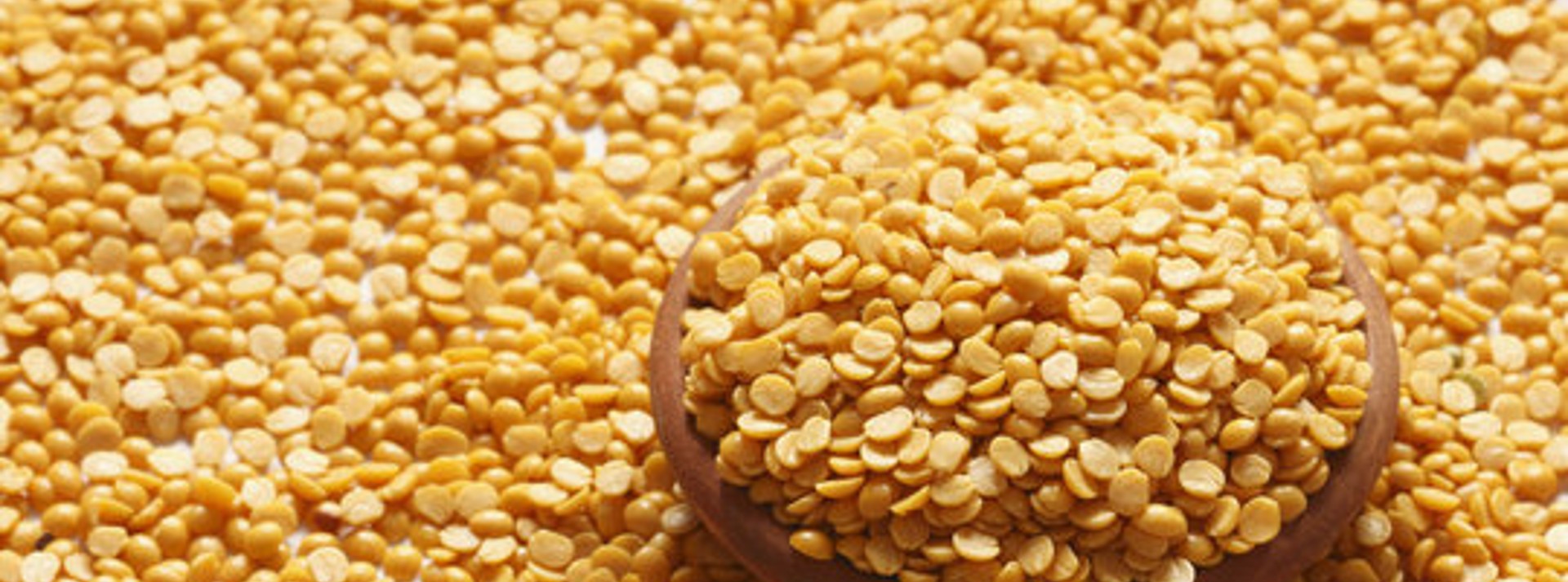
Toor dal, also known as pigeon pea or arhar dal, is a popular dal from India. The origins of toor dal date as far back as the 14th century BC. Archaeological finds of toor have been found at sites in Karnataka, Maharashtra, Odisha, and even Kerala. The crop grows comfortably in areas that receive less than 650 mm rainfall and so, the tropical climate of the south-western regions were perfect for its growth. Gradually, as trade became more widespread, toor traveled to the northern parts of India and found a home in places like Rajasthan and Delhi.
Toor dal has sustained through centuries and has had many admirers. For example, even about 400 years ago, it had a staunch admirer in Jodha Bai, Akbar’s wife and the mother of his successor, Jehangir. Various histories record that one of her favorite dishes was ‘dal panchmel,’ a mix of five lentils including toor. When she married Akbar, she introduced it into the predominantly non-vegetarian Mughal kitchen, along with a handful of other vegetarian dishes.
When the Europeans arrived on Indian shores in search of spices and condiments, toor was one grain that they took back with them. It is the British who named the dal ‘pigeon pea,’ for it was used as pigeon feed. Little did they know that it was much more than a simple grain that pigeons pick at. It is also an excellent source of protein—perfect for those who like to keep their diet meat and dairy-free. In fact, the dal is rich in not just proteins (44%) but also potassium (39%) and carbohydrates (21%).
In conclusion, toor dal has a long history in India and has become an integral part of Indian cuisine and culture. Today, India remains one of the largest producers of toor dal in the world.